


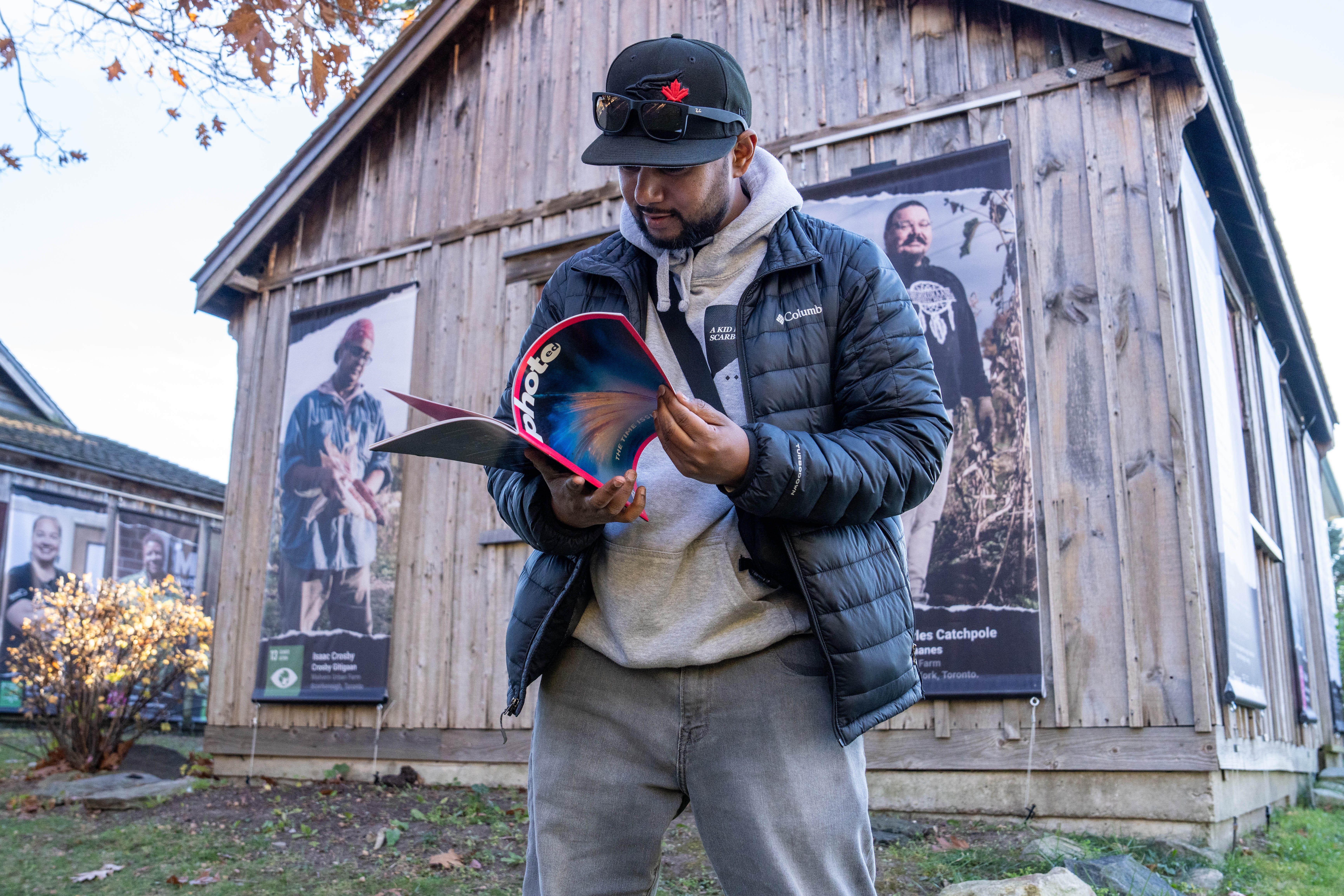
Building mentorship programs and community initiatives has been part of my work for well over a decade. It started during my undergraduate studies, where I applied that interest of community development to further my learning in the humanities, but the real lessons came from the lived experiences of growing up in communities where opportunities and resources for social and economic growth were limited.
Over time, that mix of education and real-world experience became the catalyst for how I created projects across different sectors from post-secondary education to the creative industries.
The Mentorship Model that Taught Me How to Build
I want to highlight a mentorship model that shaped how I think about peer learning as a model for change.
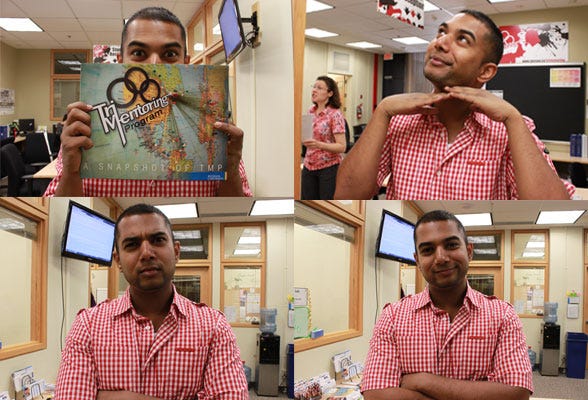
My first professional career role after my undergrad was as a mentoring officer for the Tri-Mentoring Program at Toronto Metropolitan University. The Tri-Mentoring Program was developed by Liza Arnason and launched in 2001 as a pilot program to support student retention and improve career outcomes for first-generation students from culturally and linguistically diverse backgrounds.
Definition: A first generation student is someone whose parents or guardians have not completed post-secondary education. These students become the first in their family to navigate higher education, often facing challenges such as financial pressure and difficulty navigating campus resources.
The program was built on a simple but powerful idea to support students at different stages of their journey.
It started with peer mentorship where first-year students (mentees) were paired with upper-year students (mentors) who could help them connect with campus life, classes, and the many questions that come with navigating education as a first-generation student.
As those students gained experience, they moved into the next stage of leadership development. Many of the same mentees later became mentors themselves, guiding the next group of students, while learning how to lead, communicate, and support others.
The final stage was connecting students to career mentors from industry. In their final years of study, student mentors were matched with professionals who could offer advice, expand their networks, and help them prepare for life after graduation.
There are three reasons why I saw this mentorship model as impactful
It builds community: Students don’t feel alone in their journey because they have a peer to guide them.
It creates a mentorship cycle: mentees eventually become mentors, keeping knowledge growing within the community.
It bridges education and careers: The mentorship continues by connecting students to professionals before they graduate.
For many students from under-resourced or first-generation backgrounds, this type of structure can make the difference between dropping out and finding a path forward.
My commitment to mentorship grew stronger after I graduated and joined the program as a mentoring officer. The role helped me turn my passion into a profession that I didn’t think was possible.
During those early years I had already been building informal mentorship networks through student life by creating cultural groups and community events, but this experience showed me how to turn that work into a structured program that could support more people.
From Community Learning to Creative Action
As I focused more on my purpose, storytelling and creating change became central to my work and I began sharing what I had learned about how mentorship and community-building could drive real social impact.
Some of these early ideas came out in my first public talks, including a 2012 TEDx talk at my alma mater, where I discussed my experiences and how we can act on change through community. It grounded my focus on creating spaces for others whether through mentorships or through physical spaces that provide a platform for community.
As I moved from education into international development and the creative industries, I learned a lot by both taking part in and building mentorship programs with civic and non-profit institutions both locally and internationally.
I had seen mentorship work in education. The next question for me became what would this look like in the creative industries?
As a visual documentarian using the camera to tell stories, one area that quickly caught my attention was community arts programming. I saw how art could be a tool for change by helping communities come together and amplifying voices that often go unheard.
Over time, I’ve taken what I learned from mentorship and community arts programming so it could be adapted to my own programming in the creative industries as way to create impact in underserved neighbourhoods.
That work really took shape as we created our first social impact documentary project Scarborough Made Press
Scarborough Made as a Model for Community Arts.
When my creative partner, Alex Narvaez, and I co-founded Scarborough Made, it was our way of changing how traditional media told stories about our communities in Toronto’s East. We wanted to highlight the people we grew up around; the everyday heroes, the cultural instigators, and the voices that could share a real human perspective on what it meant to come from Scarborough.
In that first year, we hit the ground running, producing over 30 stories through photography and cinematography. A short segment debuted online, and the full project launched at Nuit Blanche Toronto in 2019, one of Canada’s largest all-night arts festivals.
From those stories, we started building the foundations and pillars of a social impact project that used documentary storytelling and public art to engage the community, turning our experiences into something the world could see and feel.
But we knew one integral piece was missing from this work. Like many artists from Scarborough, our lived experiences was that we had to leave Scarborough to find work because the local creative economy lacked the support and funding. Our own high school arts programs influenced our interest in the creative industries, but there was no clear path for us to sustain that growth in Scarborough.
Scarborough Made was about amplifying the voices in our communities and to truthfully accomplish that, we couldn’t do it alone.
For us the most valuable part of this work was the creative mentorship programming that was built around it which helped us pass the torch to others who could become documentary storytellers for the project.
It allowed me to dig back into my knowledge as a grant writer and community builder to bring back funding and resources to Scarborough that could support emerging youth artists from equity deserving populations.
From 2021 to 2024, we ran yearly creative mentorship programs, supporting BIPOC youth from our neighbourhoods and helped develop skills for community-driven documentary storytelling that grew the work among emerging artists.
In 2025, after five years of building community through Scarborough Made we saw the need to continue that evolution through other projects that we could build.
Scarborough Made showed us that this work was needed more than ever. What changed was the intervention that we had taken on to address the challenge of Scarborough’s perception was no longer needed as more and more people returned to amplify the message of Scarborough to the world.
Change Made: The Next Chapter
Scarborough Made was created to champion the stories of Toronto’s East and for 5 years, we built community arts programming and public art installations that highlighted the people and culture of our neighbourhoods.
We accomplished what we set out to do and over time I realized the next step was to take my experience as a development practitioner to work and support other communities.
That’s how Change Made Press began. It was the next logical step to bring together lessons from my professional journey through education, international development, and the creative industries. I share how I’ve been building the brand in previous Behind Change Made Dispatch
The north star behind this work is simple: use visual storytelling and journalism to explore how people are creating change.
It was a space where we could move from reporting on how the system is broken to look at how communities are responding to challenges or creating solutions to fix it.
A big part of this work is focused on solutions journalism stories that show how people, organizations, and communities are tackling real problems.
We’re already putting this into practice through our reporting series “Solutions on the Streets.” One first story for this series “Fades, Frames & Futures,” highlighted how a Scarborough barbershop and a local community group are raising awareness around youth unemployment among Black and racialized youth.
Now we’re building on that work with a new mentorship program to continue telling these stories.
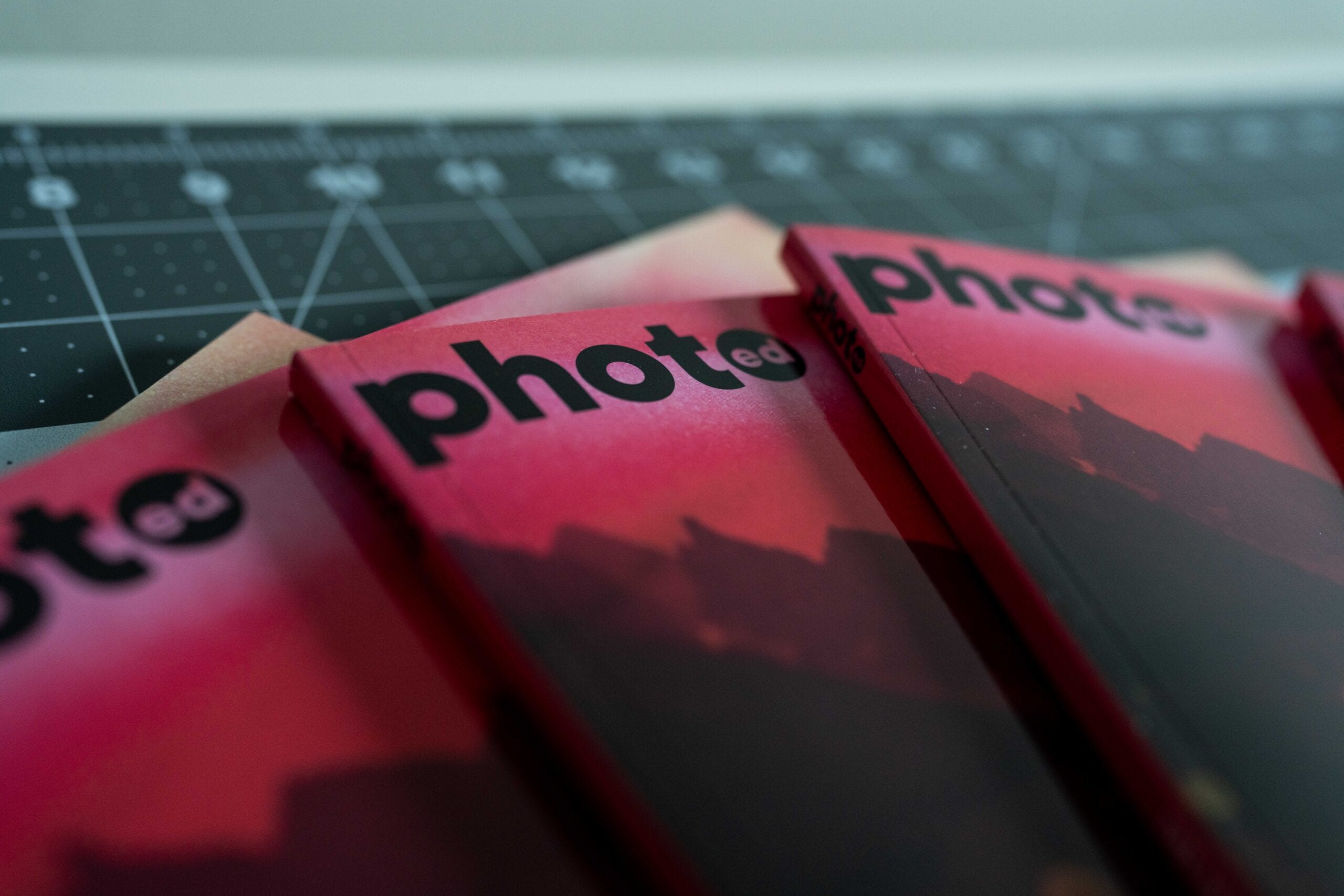
The Next Chapter Program is a micro-mentorship program that we’re launching with PhotoED Magazine & Think Tank for early stage photographers and photojournalists who want to document solutions stories and get published.
Creating this mentorship isn’t about learning how to take better photos. It’s about learning how to see stories differently, how to build trust with communities and document people with care and ethics.
Our applications for The Next Chapter Program is now open with rolling deadlines, if you’re interested applying read our press article to learn more:
For me, this program is also about investing back into independent community journalism. As local newsrooms close, there are fewer spaces for community stories to be told. Mentorship can help train the next generation of visual journalists who want to document change and culture from where they live through their own perspectives.
Mentorship played a major role in my own journey. It showed me that meaningful work is never built alone. From my early days as a community builder to the programs we created through Scarborough Made, I’ve always tried to create spaces where people can develop their voices and connect use lived experiences to guide their storytelling.
Through The Next Chapter Program, we want to help emerging photographers and photojournalists shape how stories in their communities are seen by not only highlighting the challenges people face but by also showing how they respond to it and push the world forward.
This is the next chapter for Change Made and for storytellers ready to grow with us, I hope it can be the next chapter for you too.
If you have a solutions story tip or are interested in contributing as to Change Made Press , as always you can reach me at sid@changemade.co.