


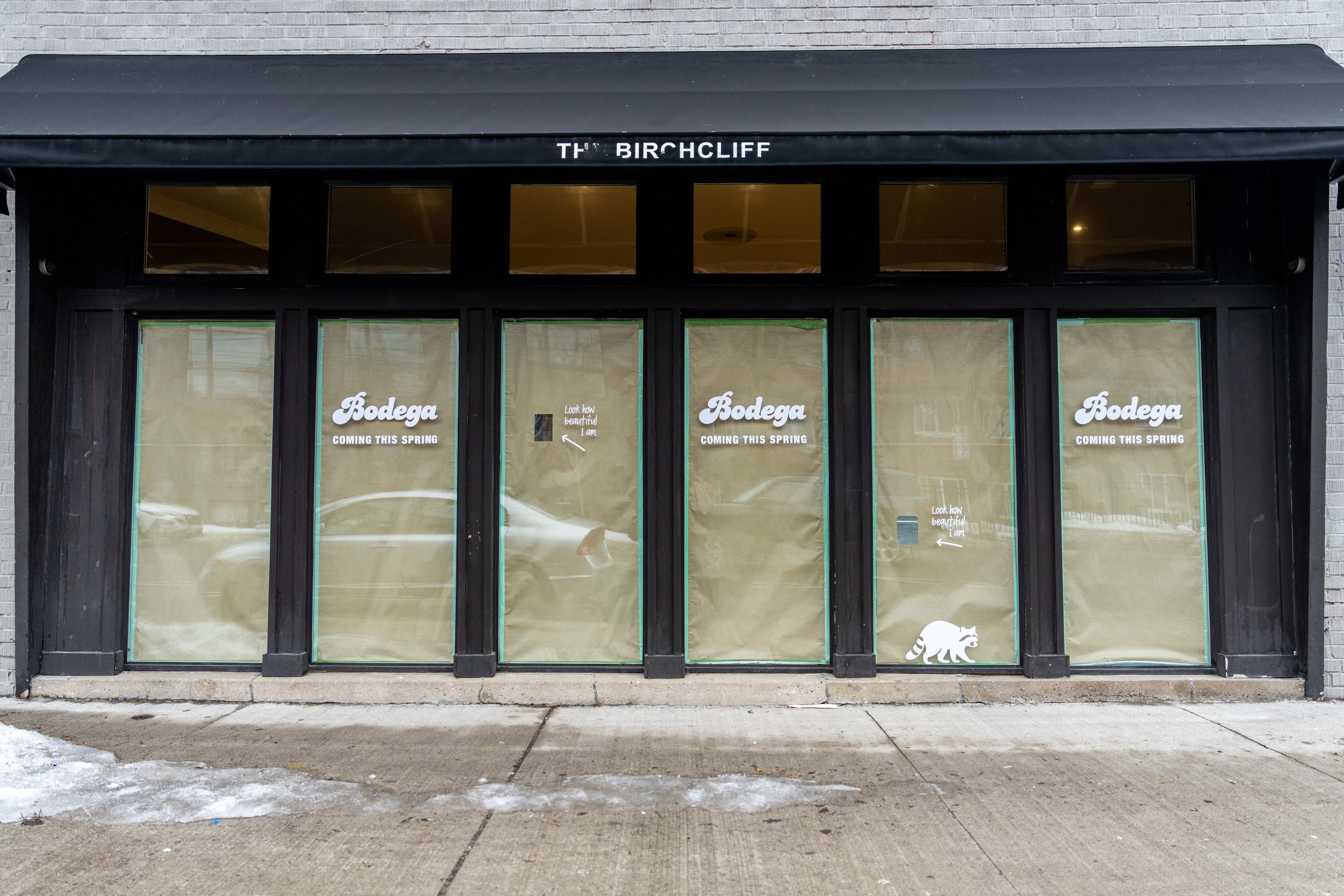
The windows of a street-front store at 1680 Kingston Road are covered up with brown paper. On the outside are two small cutouts and handmade decals that invite people who are walking down the street to “look at how beautiful I am.” When they peek in, there’s no view inside, just a mirror reflecting back at them. It’s a nod to the idea that beauty can be found when you look in the mirror.
Just a bit lower, a second cutout is placed for kids, giving them the same simple but powerful message. Every morning, fingerprints have shown up on the glass, making this under-construction storefront an attraction for families who stroll down Kingston Road in Scarborough’s Birch Cliff neighbourhood.
These are the kind of details that tell you everything about what Daniel Naraine and his family are trying to create behind their latest venture for the community in Toronto’s East.
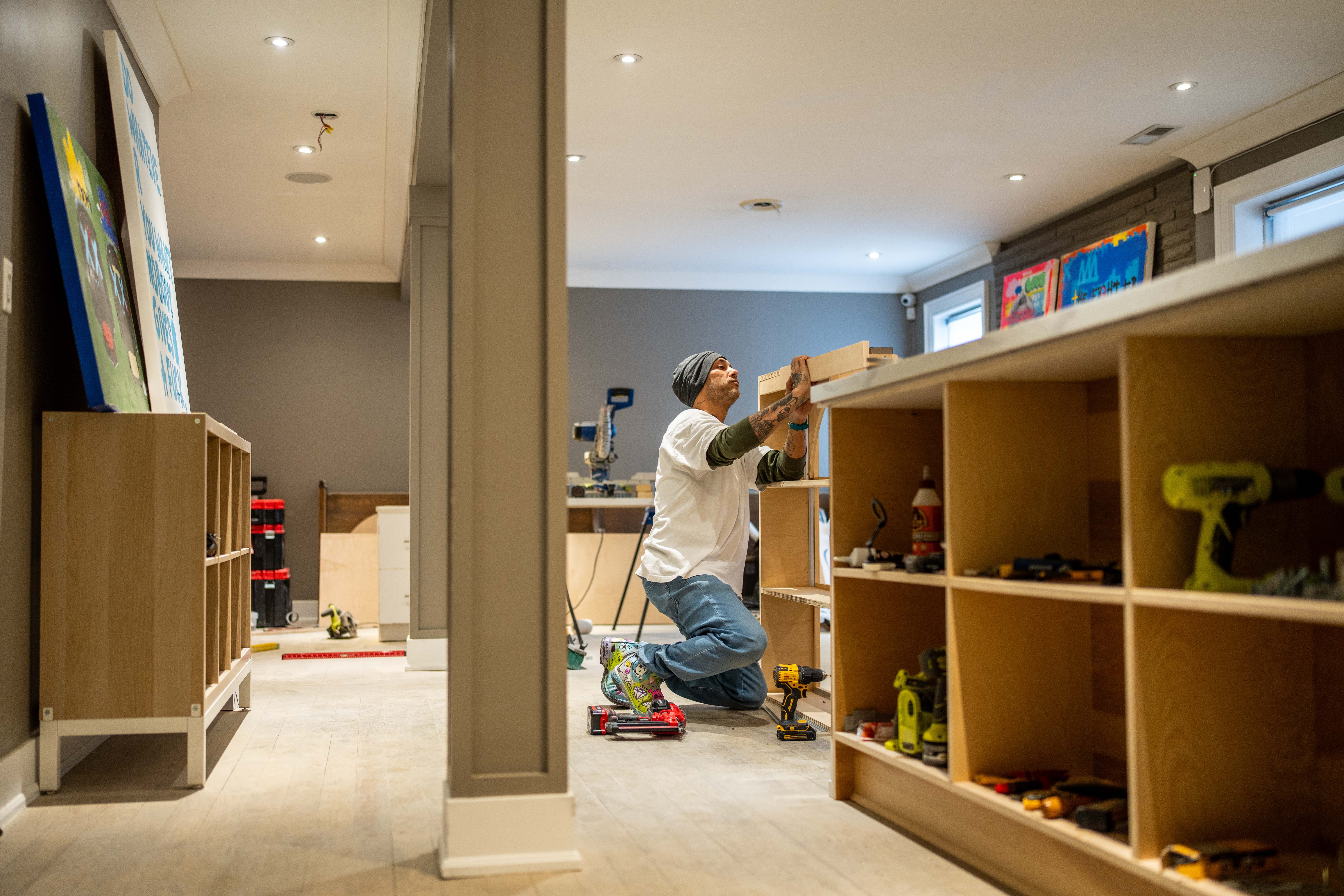
When I first walked into Bodega by City Cottage, I expected the usual scene of a space under construction. I expected a team of designers, contractors and investors working against time to meet a launch deadline. Instead, I found Daniel working by himself, laser-focused on bringing his vision to life, with his own two hands.
A power saw sat in the far end which was used to cut wood pieces for the bar shelves he was building from scratch. His tools were neatly organized in different box shelves for quick access to tackle the task of the day. Pieces of his artwork were stacked at two opposing walls and accompanied by empty industrial refrigerators humming. The space while still unfinished was already coming to life with each cut of wood that Daniel would make, adding to the completion of the bar section that he was building.
I sat down with Daniel on a Friday morning two months before while he was working on the new venture and two months before the official opening date, to chop it up about how he got here and why spaces like this matter to him.
Explainer: For anyone unfamiliar with the term, a “bodega” is a Spanish word for storeroom or wine cellar. The term got popularized in New York City as shorthand for the small owner run convenience stores in Puerto Rican neighbourhoods, often opened late serving both hot and prepared foods. Bodegas became the local hubs that sold essentials goods but doubled as gathering spaces for people. The first bodegas appeared as early as the 1920s and in 2020 there was an estimated 13,000 bodegas across New York City.
Daniel: When you’re in those Puerto Rican or Dominican neighbourhoods or anywhere in New York and the boroughs, you find that bodegas are a place where you could go grab your fresh deli sandwich, but also where you go and meet your neighbours to say hi and catch up with them.
While Toronto doesn’t have the same scale of bodega culture, Daniel has always wanted to bring this type of convenience to the community he now lives in. Bodega by City Cottage is the second expansion of the City Cottage brand, which he plans to keep growing across Toronto. For Daniel, the bodega is meant to be a hub where people can connect around food and all things local.
The Artist known as Art Wobbly
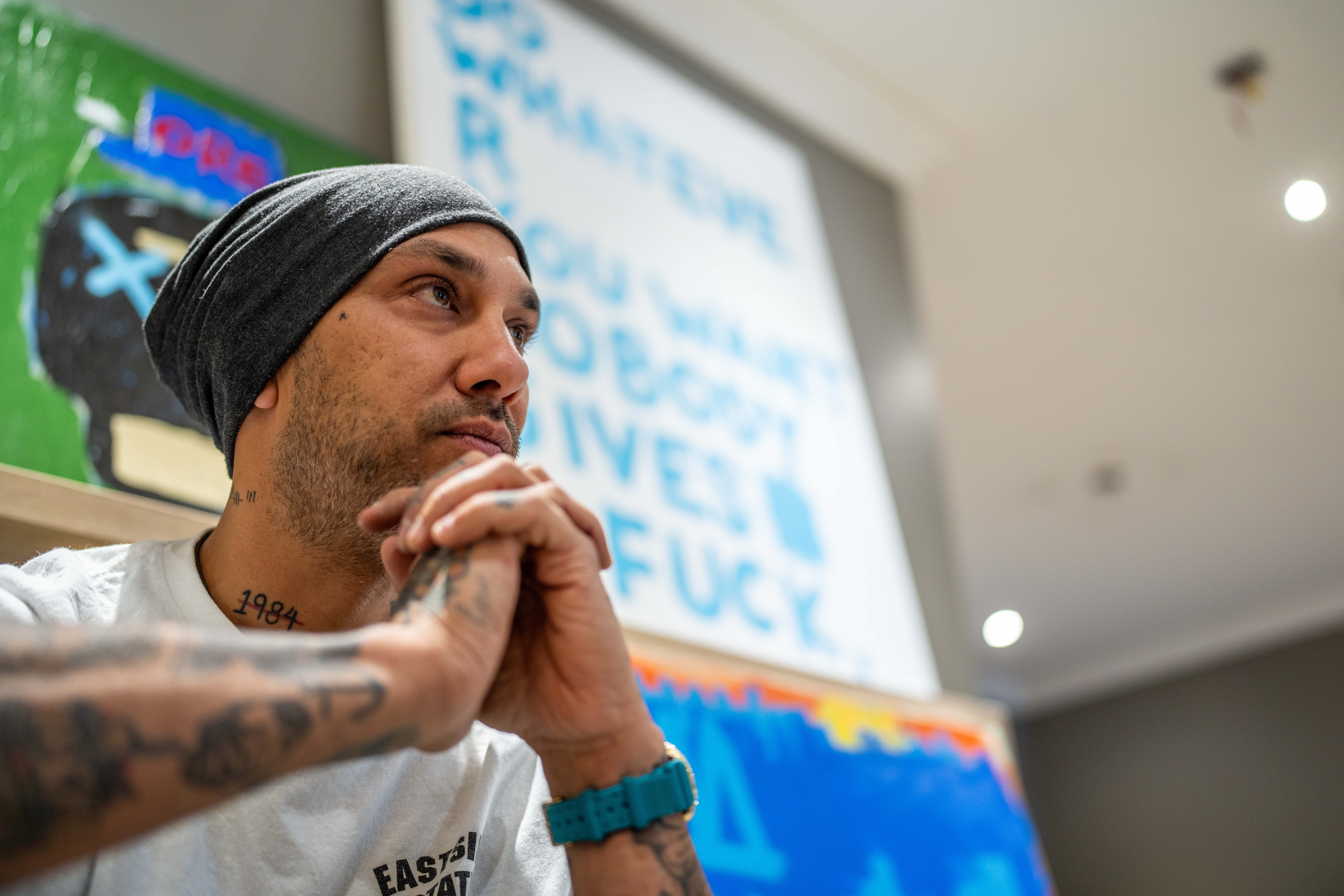
Daniel's sense of design and community comes from being a self-made artist. In the creative world, he goes by Art Wobbly, a name his nephew gave him as a kid and something that stuck with him as his art moniker. Having success in gallery spaces like The Local, he kept the two identities separate on purpose, not wanting the business to make the art successful or the art to validate the business. His artworks draws from his raw and personal thoughts as he writes them directly onto the canvases and then paints over them. His words are often hidden on those canvases, acting like the foundation that only a few people see, much like the work that is going on behind the scenes to build the bodega.
Daniel: Behind this counter is a bit of a performance that goes on. Not with my artwork, I can write whatever I want on there and cover it up, but I know it's there."


Along with his art, family plays a central part in why Daniel builds. Throughout the morning, I got a chance to say hello to both his parents; his father Mohan, an entrepreneur in the software space who was taking a meeting, and his mother Elaine, who was working the counter at their, helping me with my cup of coffee before I picked up the camera to the document the day.
His wife and business partner, Liana who runs the operational backend of the City Cottage brand stopped by as well, along with their two dogs Bzee and Kit. In conversations Daniel attributes much of his and the City Cottage’s success to Liana who balances out his energetic and go with the flow personality. Meeting the family behind the scenes wasn’t anything planned, but that’s just how the day worked when Daniel runs a business that has become an extension of his household.
Growing up as a kid from Brampton, where he had ample space, and then building a life and career in the hustle and bustle of Toronto’s Liberty Village, Daniel shares that he became an adopted son of Scarborough when he moved out east nine years ago. He had built a successful career in software sales and thought he would retire by 40. Then they hit the reality of Toronto’s housing market at its peak, struggling to find something within their budget around the city’s core.
He remembers scrolling too far on Google Maps one day and finding a blue dot with a backyard, right next to Lake Ontario. That was nine years ago, when the decision was made and they moved out east to Scarborough to their new home. The house was cottage built by the city back in the day, and that’s what made way to the name and brand City Cottage.
Daniel: It wasn't until I came out to Scarborough where I really realized what fucking culture was.
He had travelled around the world, and there was a lot of relatability to that for him in Scarborough, the overload of senses, different faces, different cultures. He fell in love with it really quickly, but also realized there was a gap in the specific area of Birch Cliff; not just in food, but for a space that could bring people and culture together.
A Business That Supports Local As Its Core Purpose
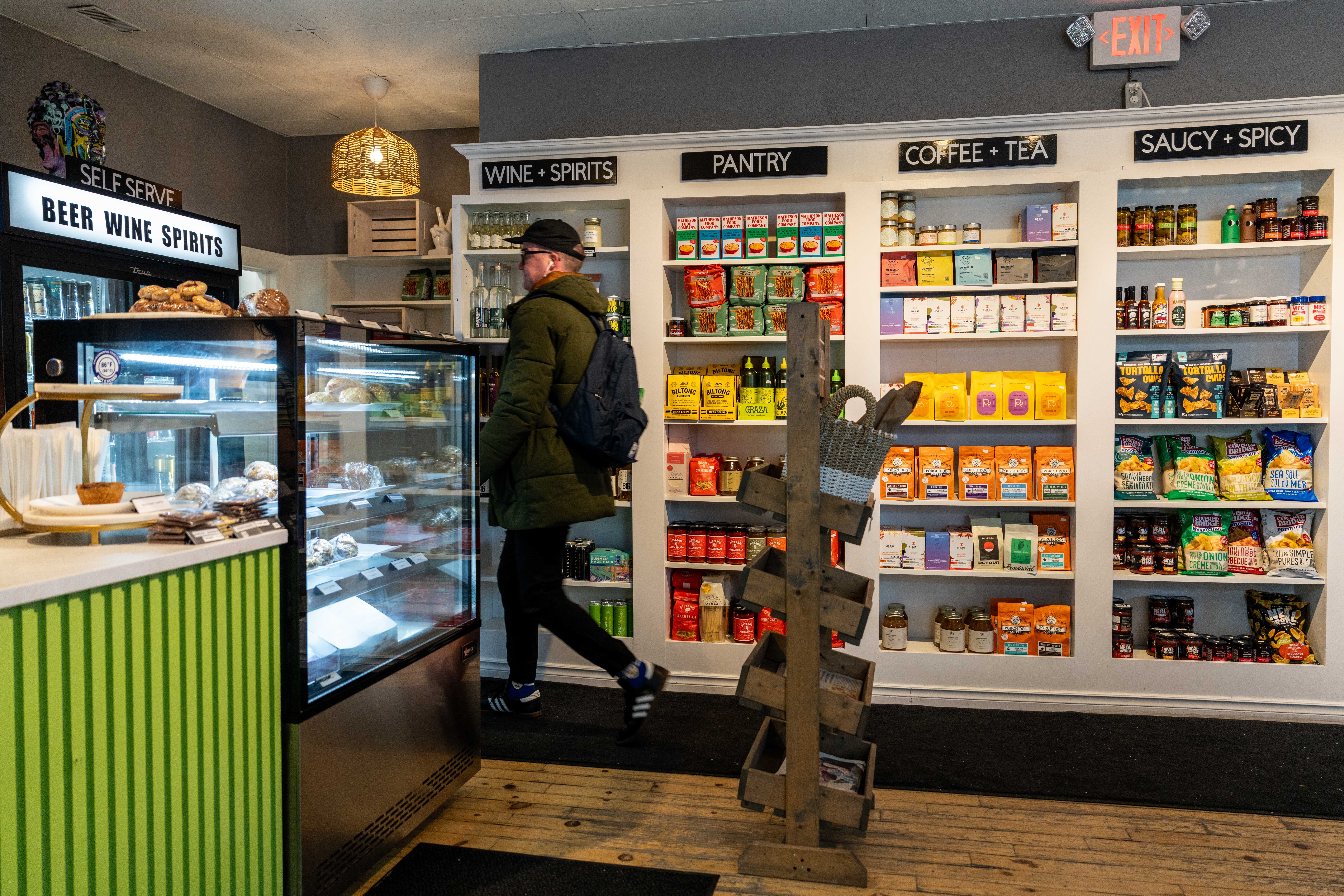
The idea of building and supporting local in Canada has been given new life ever since the U.S. trade wars and tariffs have rattled our economy. Big box stores have jumped on the bandwagon, rebranding shelves that monetize product sections with “Made In Canada” signage almost overnight, as a result of our newfound national sentiment for elbows up. But for Daniel, supporting local was never a response to the economic pressures; it was always part of their business model and the primary reason he started the Market by City Cottage in the first place.
Daniel: Saying supporting local and doing supporting local are two fucking different things. I got sick of hearing people say it and wanting to do something. I think that’s where the line for me is totally different.
Market by City Cottage is a business that started during the pandemic on the street where he lived. After building a career in software sales with Fortune 500 and 100 companies across New York, Toronto, and the UK, he noticed that the time spent working virtually and closing contracts at 2 a.m. to hit month-end quotes was starting to erode his sense of purpose. The pandemic had fundamentally shifted how people experienced work-life balance, and it pushed him to start thinking about what he wanted to build in life.
Daniel: I realized this neighbourhood needed something. Almost like a little touch of the West End had to come out here, and by that, I mean convenience, access to nice products, whole food products, good ingredients. You know, not just packaged nicely, but the intent is there too.
During the pandemic, Daniel kept hearing the term “essential services,” and it stuck with him. He saw how restaurants were closing, and local producers couldn’t access their own facilities to make products. He saw this as an opportunity to become a central hub where local food entrepreneurs could get their products on shelves and directly access a community.
Daniel didn’t have a business plan or food-industry experience, but, coming from software sales, he had some transferable skills and was determined to make things work. A neighbour introduced him to their first corner shop, where they got started with a 300-square-foot space that cost $1,200 a month.
Daniel: I could sell 1200 potatoes if I had to, just to cover it. It didn’t matter. I was it was an opportunity to try something.
The first store outgrew itself within a year during the pandemic, prompting a move further down the corner on Kingston Road. He also learned quickly that a location on a main road won’t necessarily bring visibility to a business where factors like lack of windows, no sun, and limited parking all play a part in making a storefront business successful. So they rebuilt at 1666 Kingston Road, where the Market by City Cottage operates today and will become Cafe by City Cottage as the Bodega opens up.
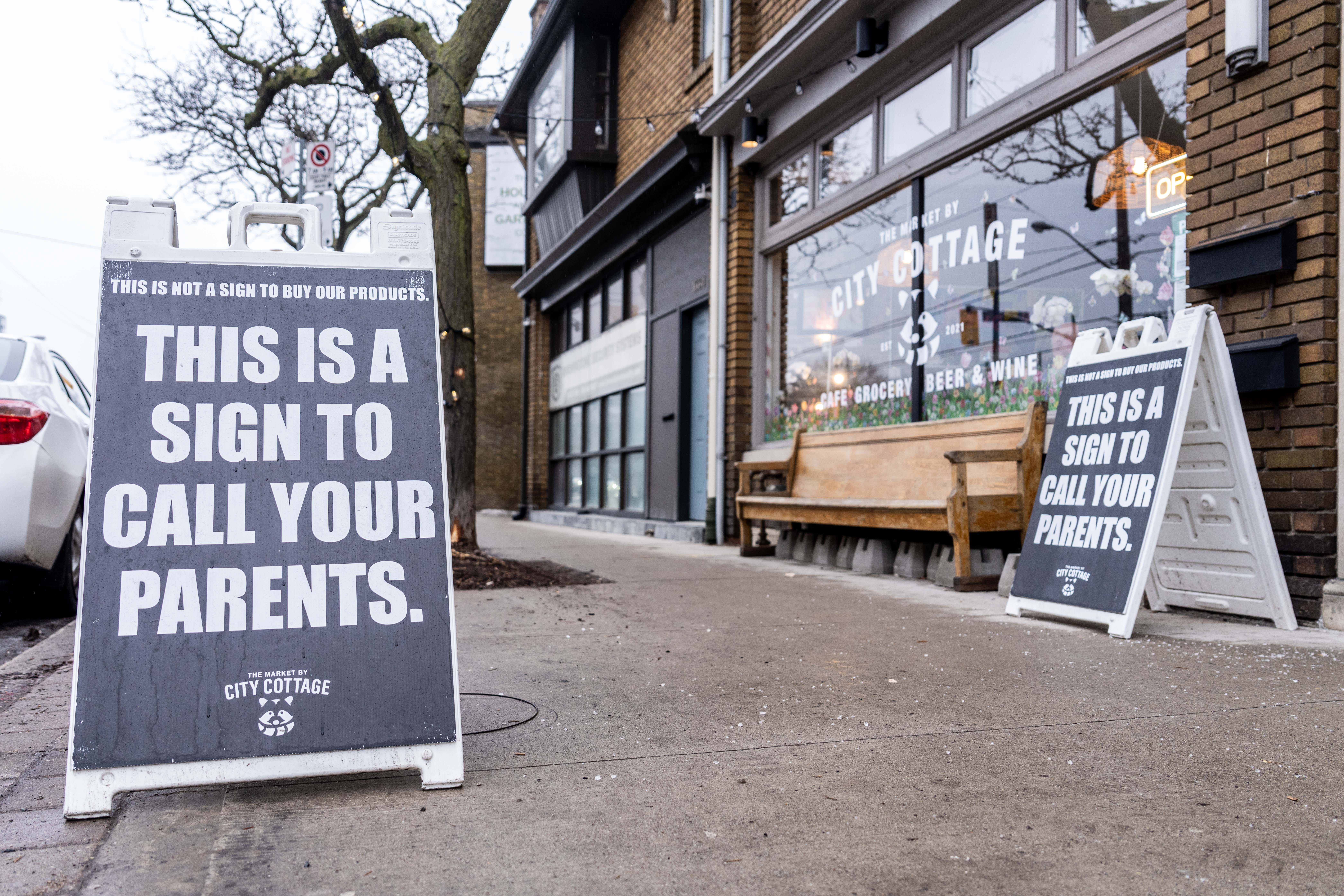
The bodega is two shops over at 1680 Kingston Road and was the next logical step toward bringing people together. Bodega by City Cottage expands beyond the cafe to carry more fresh and prepared food items, all sourced from producers within the region. While the bodega uses food to bring people in, the space is designed to be more than just a store. Love your hood, love local are two things Daniels says he keeps top of mind for why he’s doing this work.
A Bodega For Scarborough, A Hub For Building More Community.
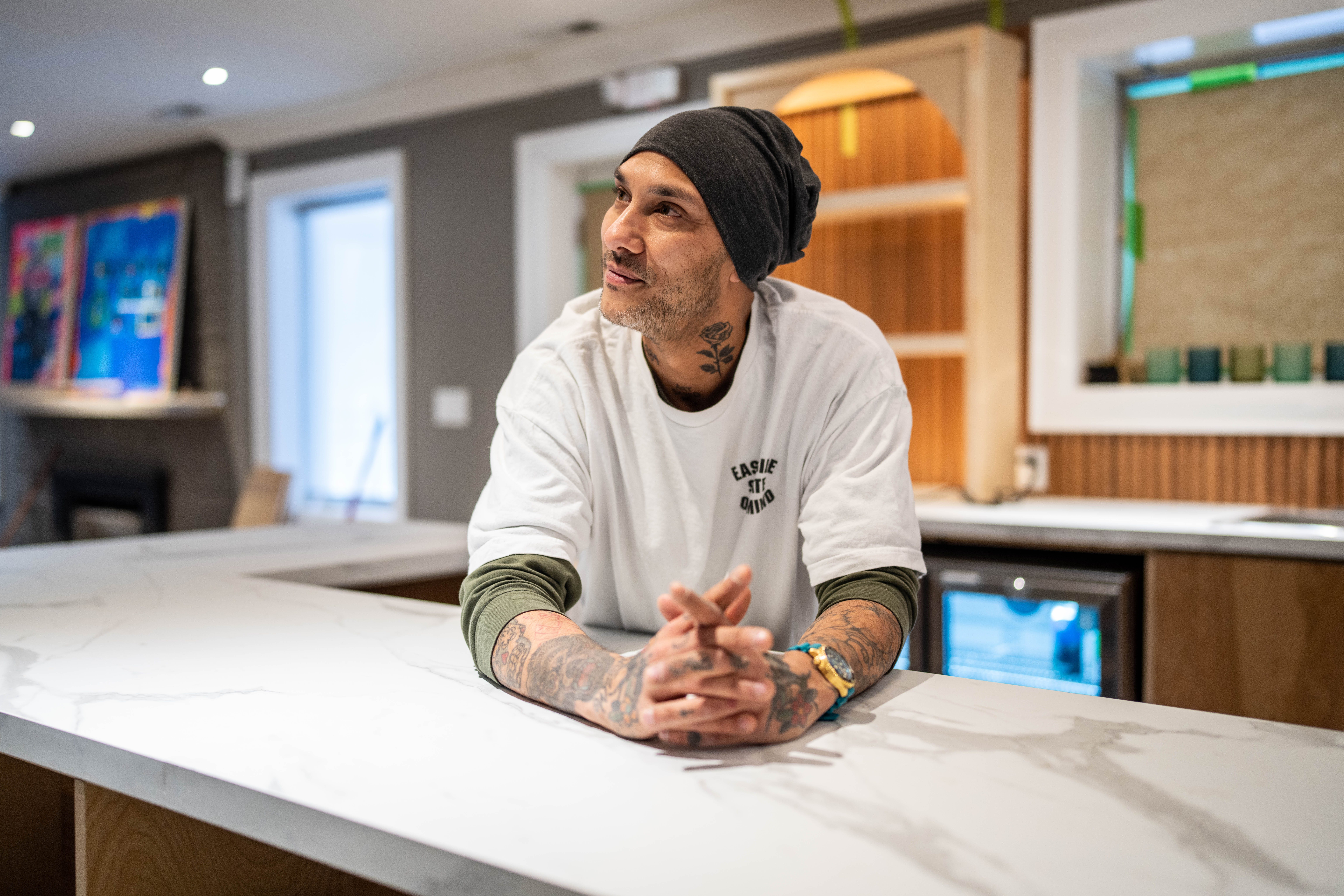
Daniel gives me a walkthrough of how the space would be set up and what he plans he had envisioned for comedy nights, art shows, Friday-night farmers markets, Michelin-starred dinner events, and partnerships with local organizations. A second section outside which will host Brett’s Ice Cream Shop and picnic benches aimed at making it a stop for everyone, from kids to families.
For him, bringing people together in the bodega is intentional; there are no two-person tables, no option to isolate. You sit beside your neighbour, and you find out who they are. Daniel sees connectivity as more needed now than ever in the post-pandemic world, where isolation is continuing to be fuelled by addiction to digital devices.
He also understands that what he’s building in Birch Cliff isn’t the norm, but he isn’t afraid to ruffle a few feathers to create a more inclusive space where community can flourish.
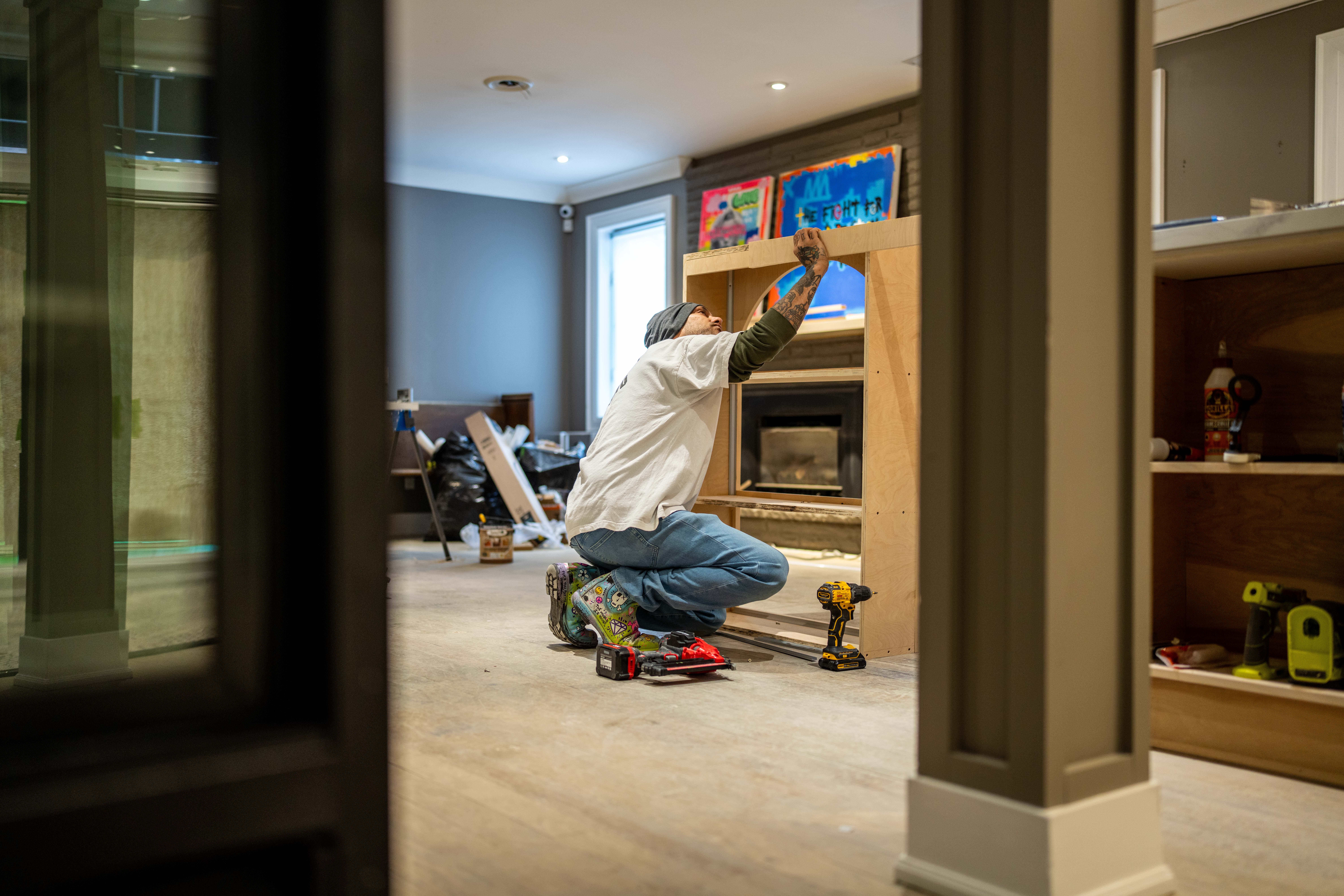


City Cottage is meant to be the umbrella for this thinking. The cafe, the bodega, eventually a butcher, a fishmonger could each serve as a different point of connection on the same block. Daniel hasn’t taken investors or hired contractors for his latest venture. The freedom to build it his way, on his own timeline, with his own hands, is the point.
What he did share on how the Bodega came to be was that the community came together to give him a shot at building something that was needed. The bodega is being built on land that was bought by customers who saw the need to change the walkability of how the community was being created in their neighbourhood.
Daniel: Liana said to me yesterday, you’re going be so sad when you’re done building this.
Daniel can’t say exactly what the bodega will grow to be after it’s starting stages. He has ideas, but he’s honest about building the pieces day by day, much like how he crafts his canvases, which start with one thought and end with something else. What he does know is that the space needs to exist. Not for him, but for the people who live in Scarborough and the ones who will eventually find their way here.
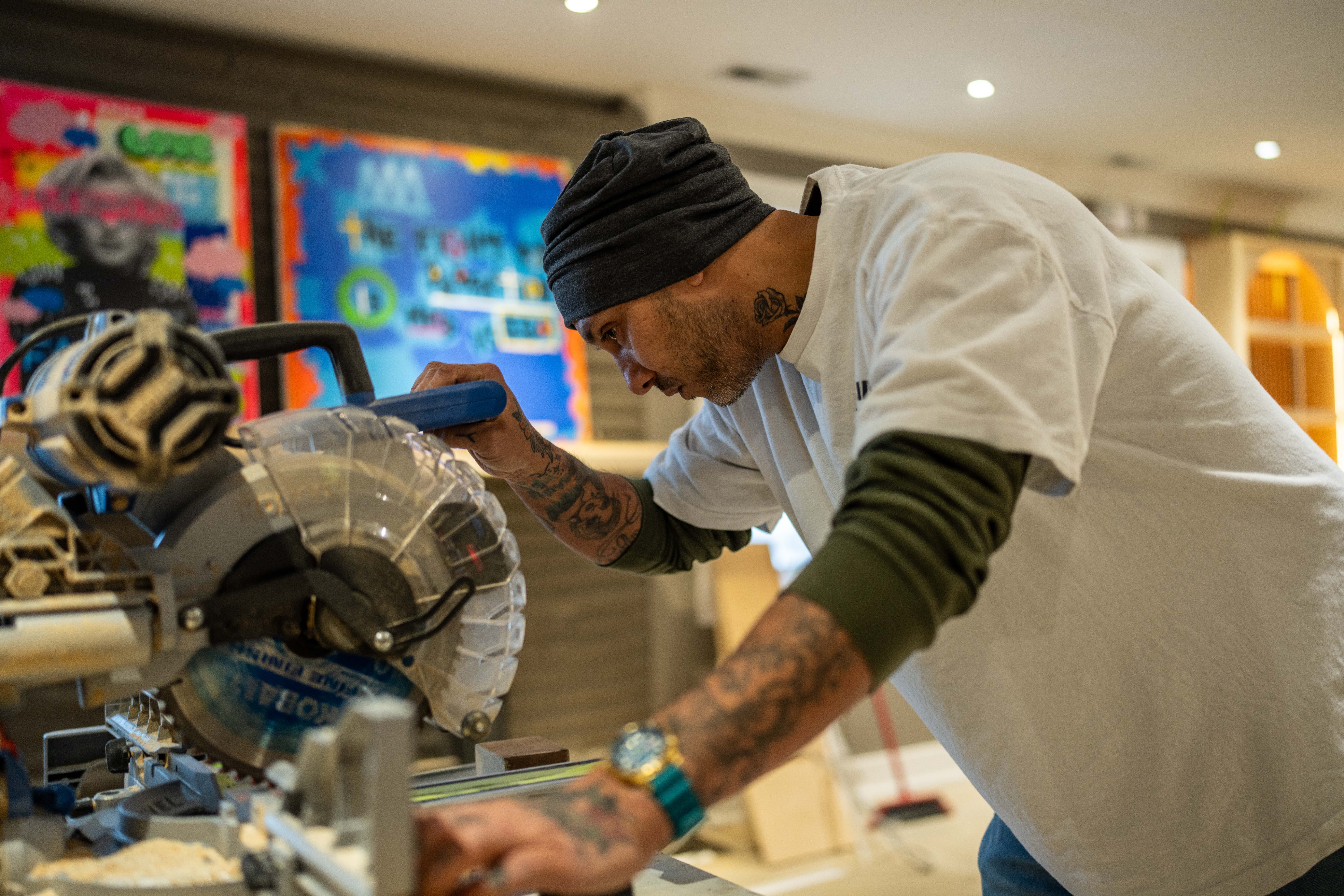


For Daniel, there’s nothing better than investing in your own neighbourhood. The whole local movement for him is just having pride for other people and giving people a chance, especially those who don’t get the chance to get out into bigger markets.
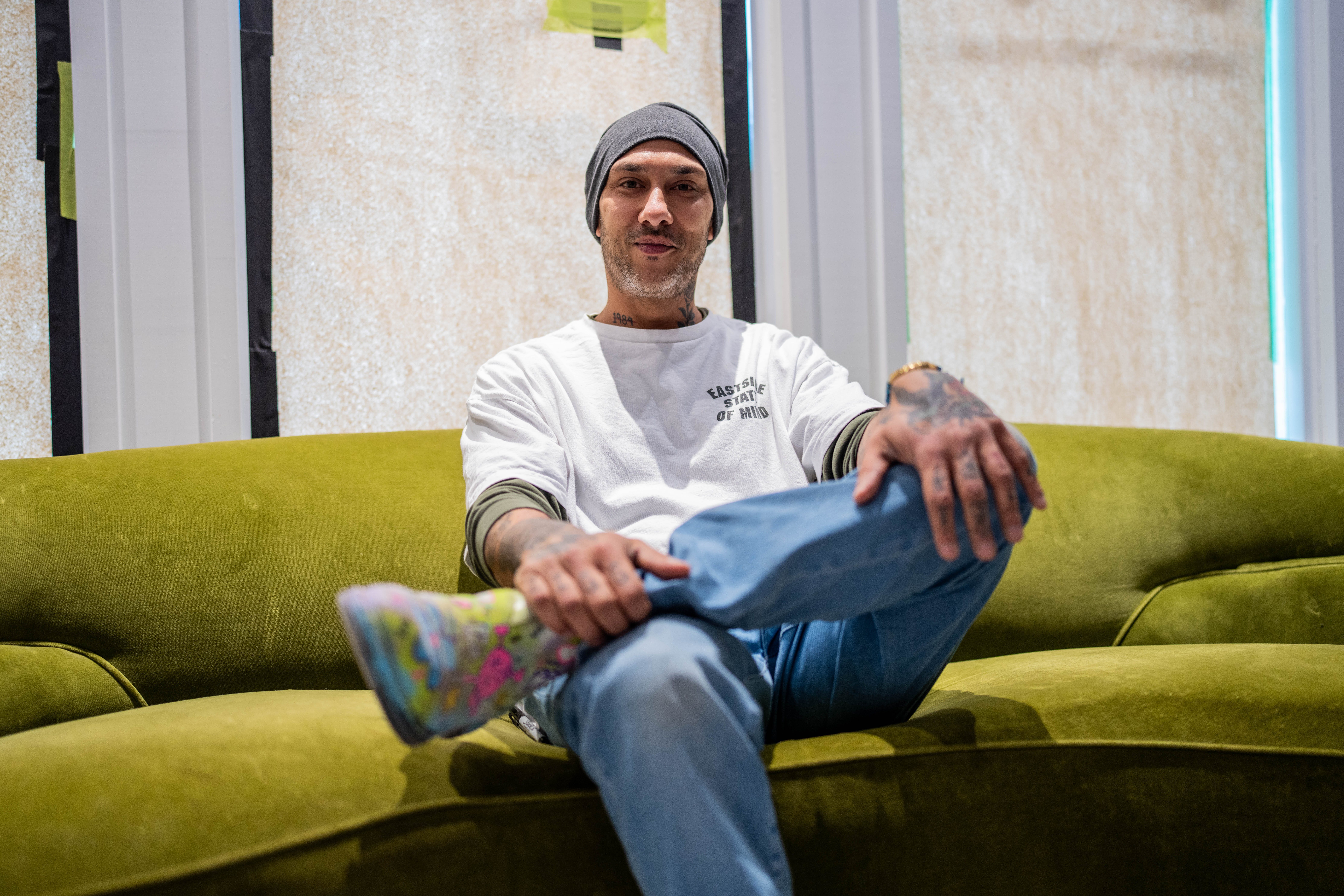
Towards the end of our conversation, Daniel sat down on the couch in the back of the bodega for the first time. He paused for a second and looked around the room. It was the first time all morning he had stopped moving.

Daniel: I want to create a neighbourhood and a block or help be a part of a city that my son gets that little bit of experience, where he has pride in where he’s from.
The night before, after a day of building some of the shelving from scratch and running electrical lighting, he told me he stood in the empty space by himself and said out loud “good fucking job. It’s impressive, you’ve never done that before.”
It was a moment where he could take a second for himself and celebrate the little wins, like building a new skill while building the business. Something he could share with son and family.
Bodega by City Cottage officially opens its doors on Saturday May 16, 2026 at 1680 Kingston Road in Scarborough’s Birch Cliff neighbourhood. Cafe by City Cottage continues to serve the community a few stores down at 1666 Kingston Road. You can find Daniel’s artwork on Instagram at Art Wobbly.
Note from the Photojournalist & Author
I've been profiling people for years through my work as a documentarian and through community storytelling projects like Scarborough Made. At the heart of that work has always been a curiosity and interest in learning what drives people to build something, especially when that something positively impacts the world around them.
The Change Profile is a new story format I’m introducing to The Change Made. These are longer form pieces where I sit down to chat with one person, explore how they got to where they are, and document the story of why they’re building for their community. These stories are independent journalism grounded through interviews, on-location reporting, and spending the time needed to understand someone beyond the surface. If you’ve followed my documentary work, this will feel familiar as it comes from the same place of building connection with people and through storytelling.
If this kind of storytelling matters to you, work that centres everyday people creating change in their communities, then I hope you consider becoming a paid subscriber to The Change Made. All my work on this platform is self-funded, and your support is what makes it possible to tell stories and produce independent journalism for people and communities creating change.