


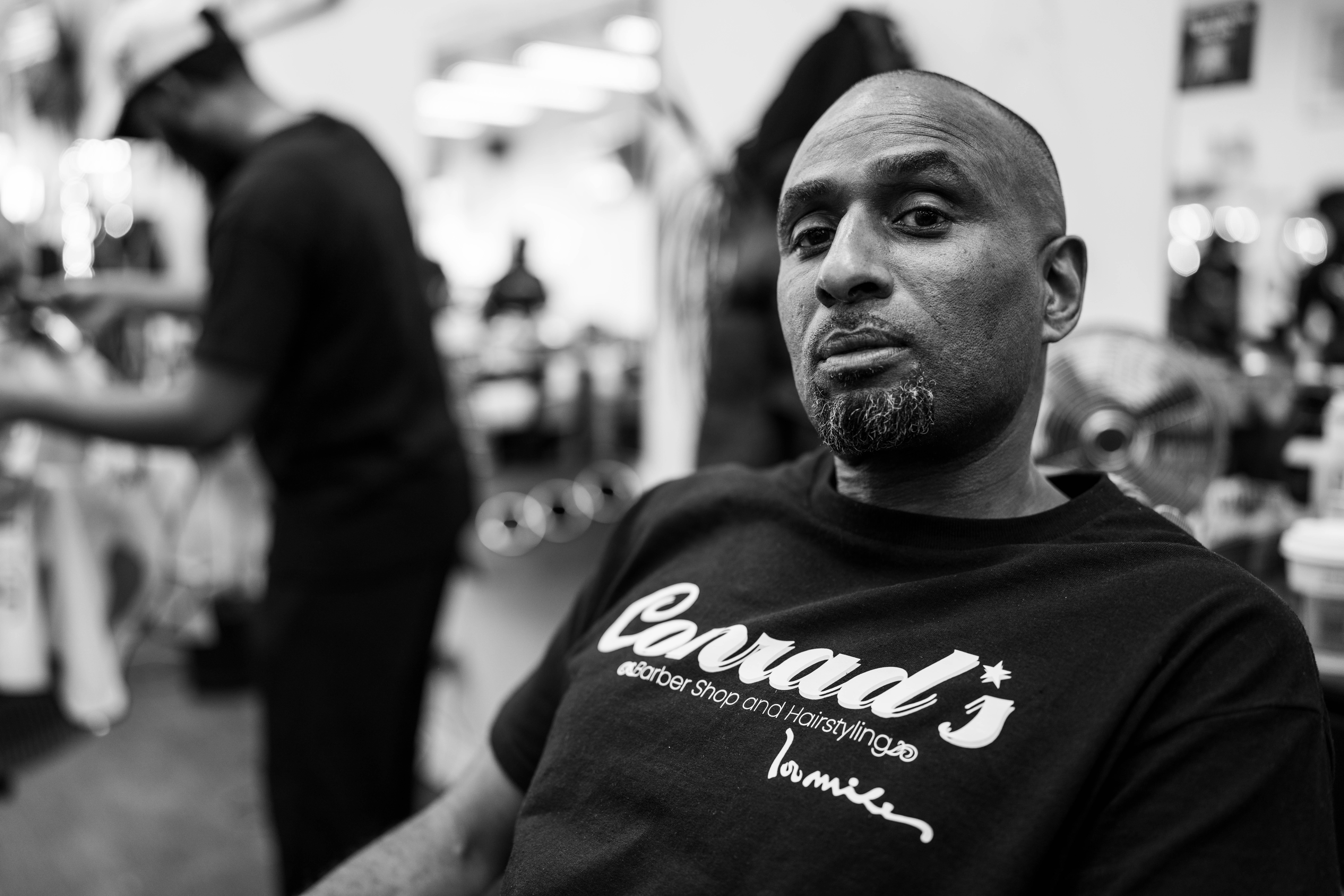
When you think about preparing for a job interview or being on the job hunt, you may consider getting a fresh cut or fade and having a professional headshot taken for your LinkedIn profile, so you can look the part.
Getting your first job as a young man is almost like a rite of passage, but what do you do when you live in a community where access to meaningful employment has become more and more limited, and the ability to get a professional haircut and a portrait is not always financially viable?
During Black History Month, Conrad’s, a local family-owned barbershop, and Scarborough Environmental Association, a grassroots community organization, came together to address youth unemployment by hosting an event for Black and racialized youth in Scarborough, giving them a fresher look for their futures.
The event provided youth with free haircuts and professional portraits as a way to build more support for youth employment in Scarborough
For this solution on the streets story, I spent an afternoon behind the scenes talking with and documenting the people who are showing up to change the narrative of the youth unemployment gap in Toronto’s East.
Solutions On The Streets is a visual solutions journalism series by The Change Made that documents the efforts of people and organizations creating change in communities from the ground up.
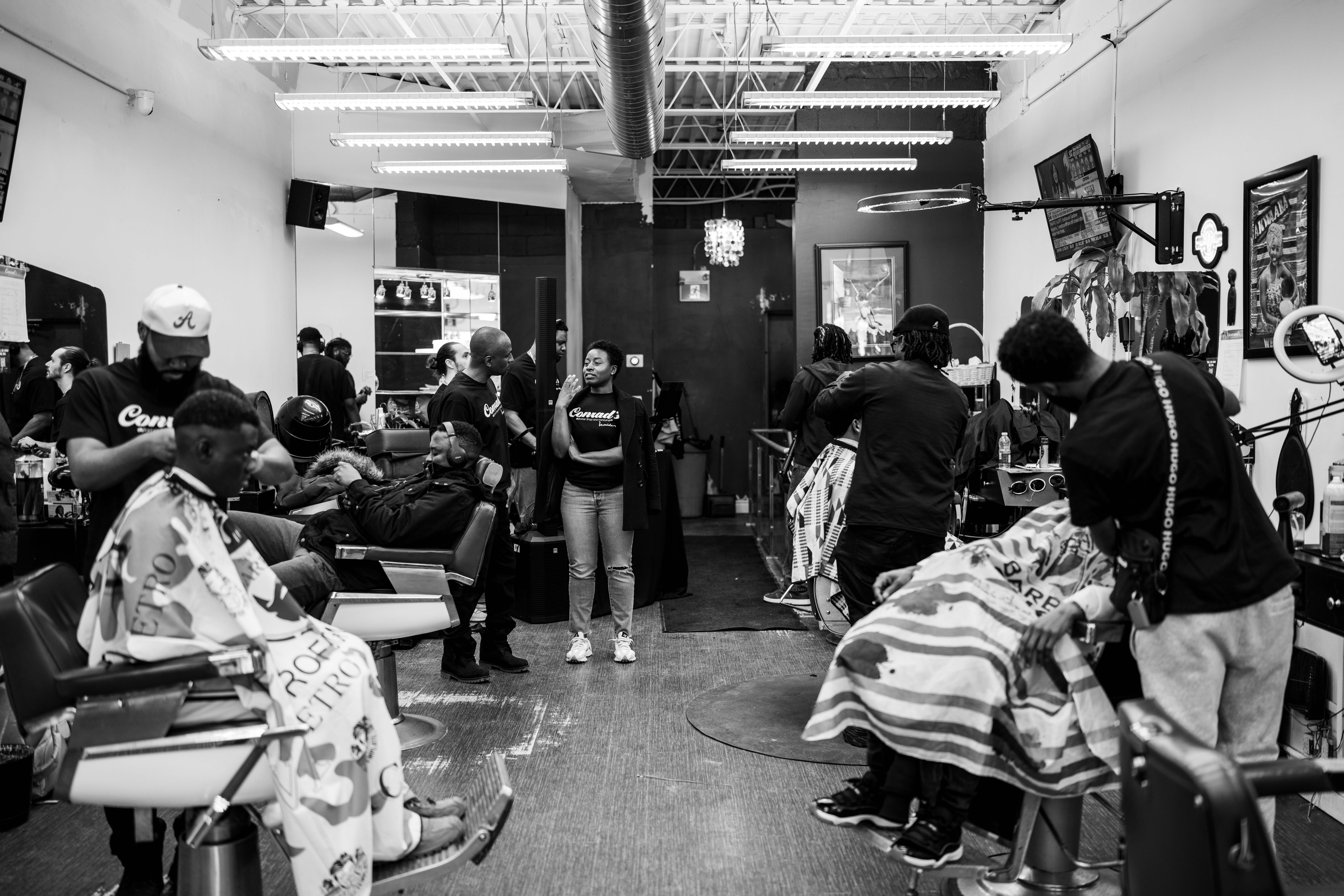
The Legacy of Conrad’s Barbershop
Founded in 1975, Conrad’s is one of the first black-owned barber shops in Scarborough, Toronto and an important cultural institution for the community.
Born in New Jersey and raised in Scarborough, Conrad Marshall spent a good part of his life in his father’s barbershop.
His father was the original “Conrad”, who grew up in Trinidad & Tobago and learned to cut hair from a young age. His father took that trade with him to the United States and then to Toronto, Canada, eventually opening up the first shop on Markham & Lawrence in Scarborough.
Conrad reflected on how he got started with his first job as a Scarborough kid,
“For years, I would just run around the shop and sweep. When I reached a certain age, I wanted to make some money. I talked to my dad, ‘so look, Dad, I’m going to come here all day, every day, in the summer and sweep.’ So that’s how I started.”
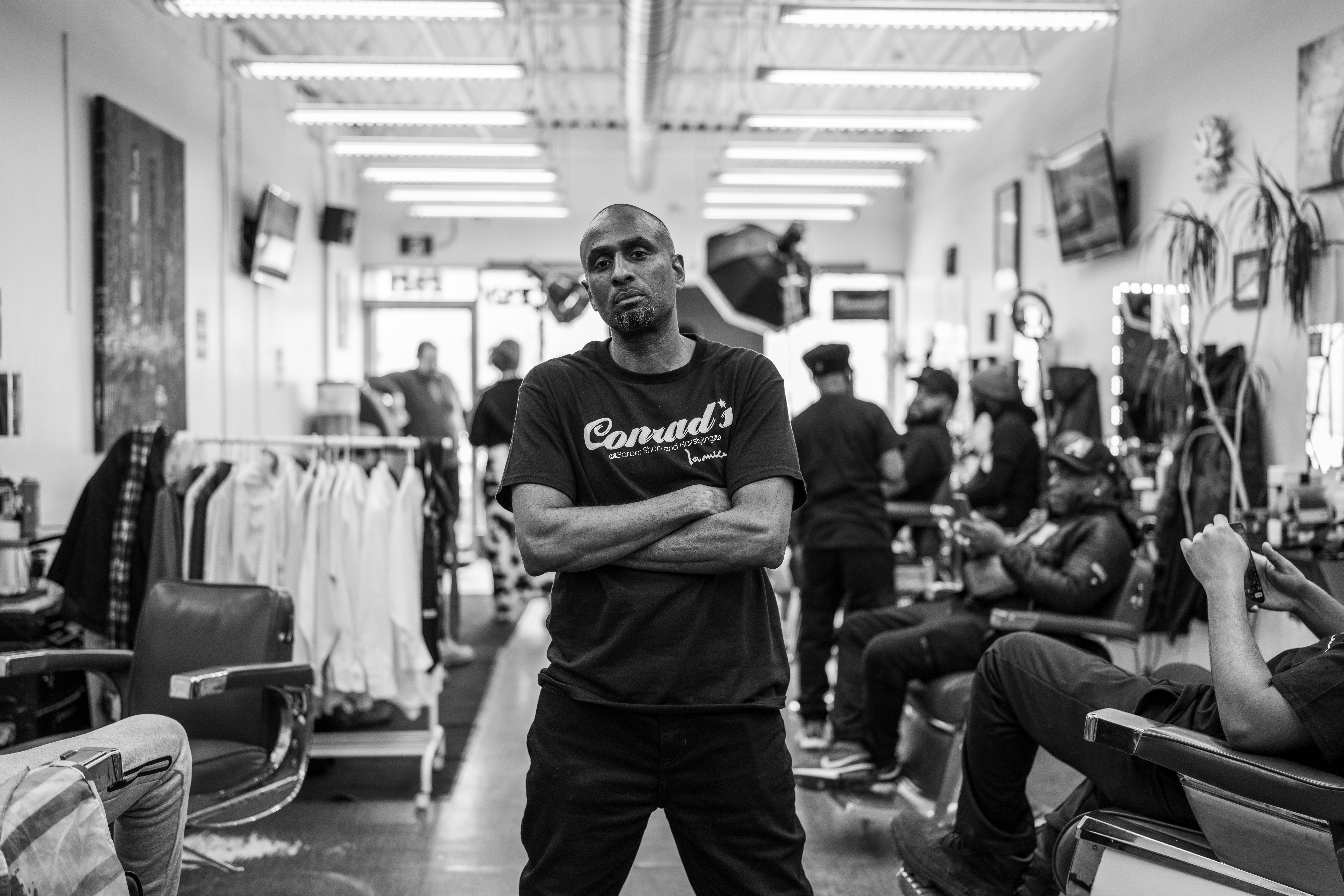
At 17, he grabbed the clippers and learned to cut from his father. Today, Conrad Marshall carries on his father's legacy as a barber and business owner, running two barber shops. Its foundation that he is proud to come from.
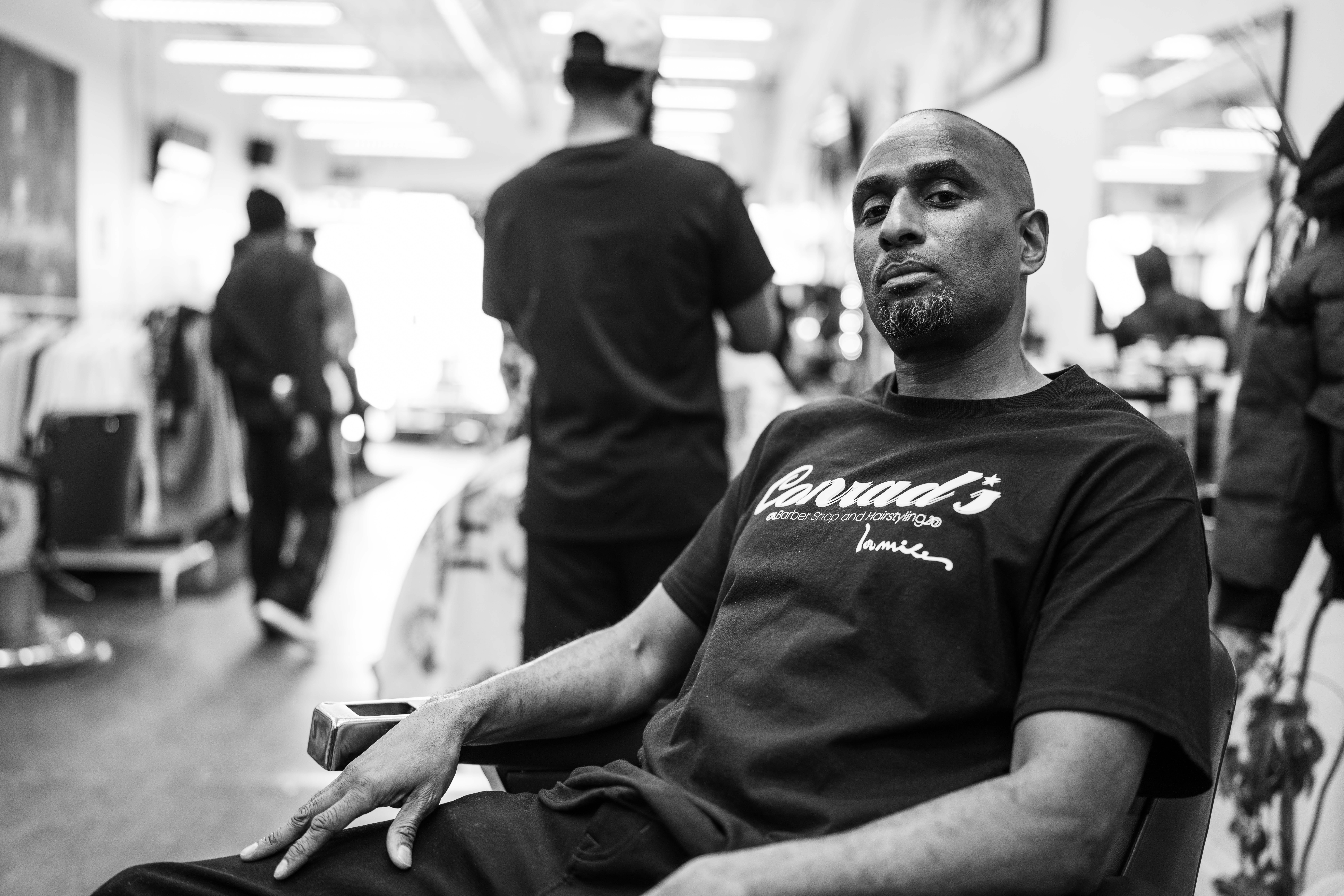
For Conrad, his barbershop serves as a hub and community centre, where events like the one being hosted today for youth serve a real purpose. He sees his shop as an open space where youth can drop by and hang out; it’s his way of leading and serving as an example to them.
Conrad shares, “We have a saying at Conrad’s that says, look good, feel good, live life, so to me, once you feel good, anything is possible.”
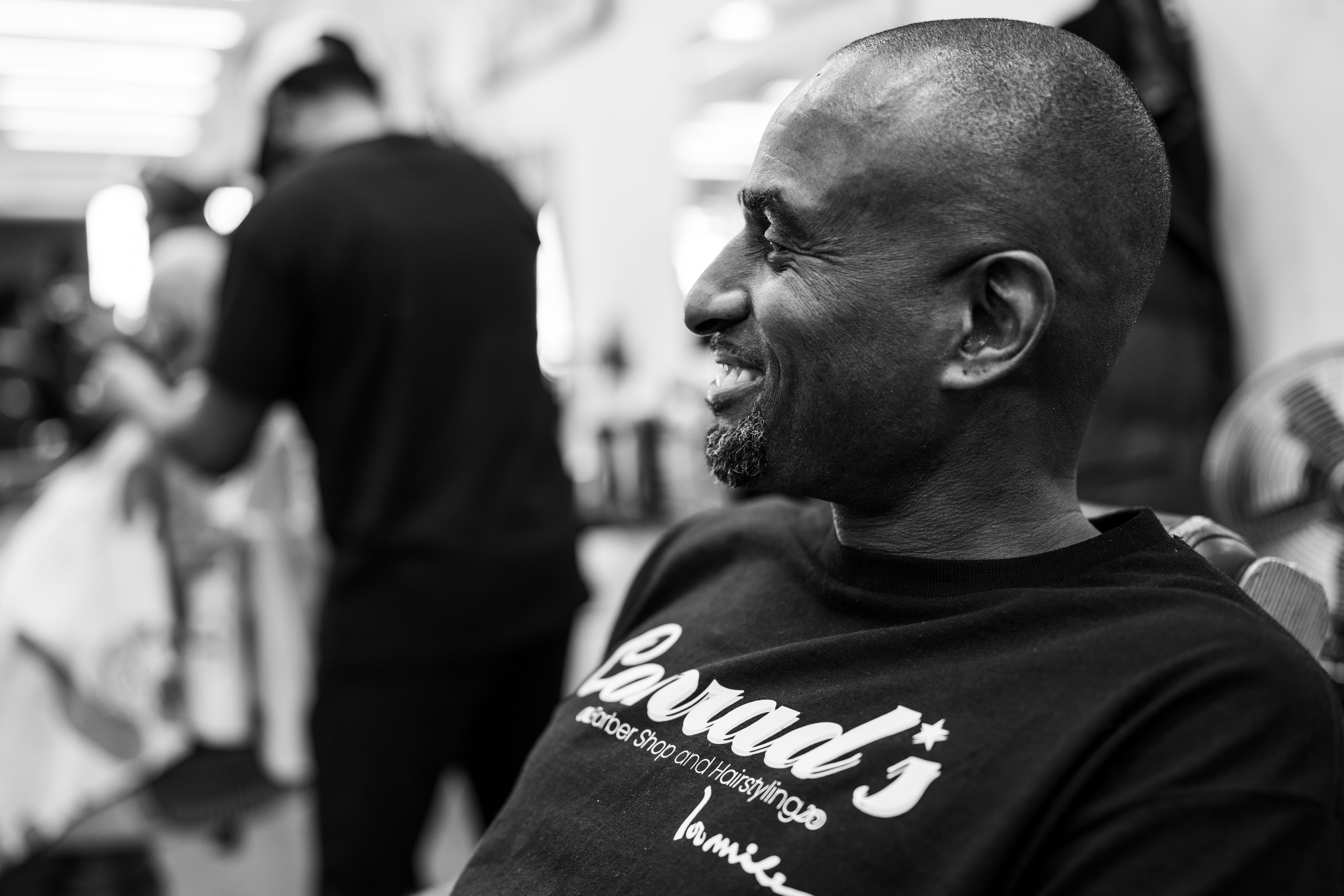
More Than a Barbershop
Conrad’s barbershop represents the idea of a third space, something that many of us have been a part of, but we don’t always put into words. Third spaces are physical spaces that exist outside our homes and workplaces, where people can gather informally, connect with one another, and foster community.
These are spaces like libraries, cafes, creative studios, and hair salons or barber shops, where neighbours and residents have different conversations, and it’s where connections are strengthened to create a sense of belonging.
At Conrad’s barber shop, that same dynamic is at play. It’s a community hub where youth can create informal connections with bridges to social impact and opportunities.
Conrad shares this sentiment in what he hopes to accomplish through his shop,
I like to be an example to the youth, so they look at the barber shop and see that they too could have a business that could surpass 50 years. That they too can have a business with more than one location, just to show them as an example, that they could do it.
Explainer: The youth unemployment gap in Canada and Toronto.
The youth unemployment rate in Canada climbed to 14.6% in July 2025, the highest level since September 2010 (excluding the pandemic). That means 15 out of every 100 youth who are actively looking for work couldn’t find it.
That burden is not shared equally for racialized folk.
Statistics Canada data show that youth unemployment in July 2025 among Black youth in Canada was 23.4% (1 in 4 youth), compared to 12% for non-racialized & non-indigenous youth. This means that black youth in Canada face almost double the unemployment rate.
In Toronto, the youth unemployment rate is 19.7%, which means roughly 1 in 5 youth are unable to secure employment. Scarborough is home to large black and racialized populations, and it’s here that we see more of the structural barriers starting to compound for youth, where we find few local jobs and hiring biases.
For Prince, a barber at Conrad’s, the importance of this community event goes beyond numbers. “People are finding it really hard to get employment right now. If a haircut helps an employer take a second look, that matters.”
When a youth walks into Conrad’s, they wait to get their fresh cut for free. It starts with providing access, but it also involves helping them build confidence in a community where employment opportunities are often limited.


Levelling the Playing Field for Youth in Scarborough
The Scarborough Environmental Association (SEA) is a community-focused organization that doesn’t just focus on the environment. For co-founder Krissan Veerasingam, that means taking care of everyone in Scarborough, regardless of income level.
“We try to prioritize programs for folks who don’t have the same advantages as others in the communities, and through that, we want to create a more equitable Scarborough”
As a community organizer, Krissan Veersingam sees how the terrain in Scarborough is different for youth: communities here have historically been under-resourced, had fewer networking opportunities, and face more hiring biases, such as postal code discrimination.
Krissan expresses the frustration with the current state of youth unemployment in Scarborough,
“Youth want to work. They’re trying to find these opportunities, but the reality is that they don’t exist, even though there’s so much work that needs to be done in our communities.”
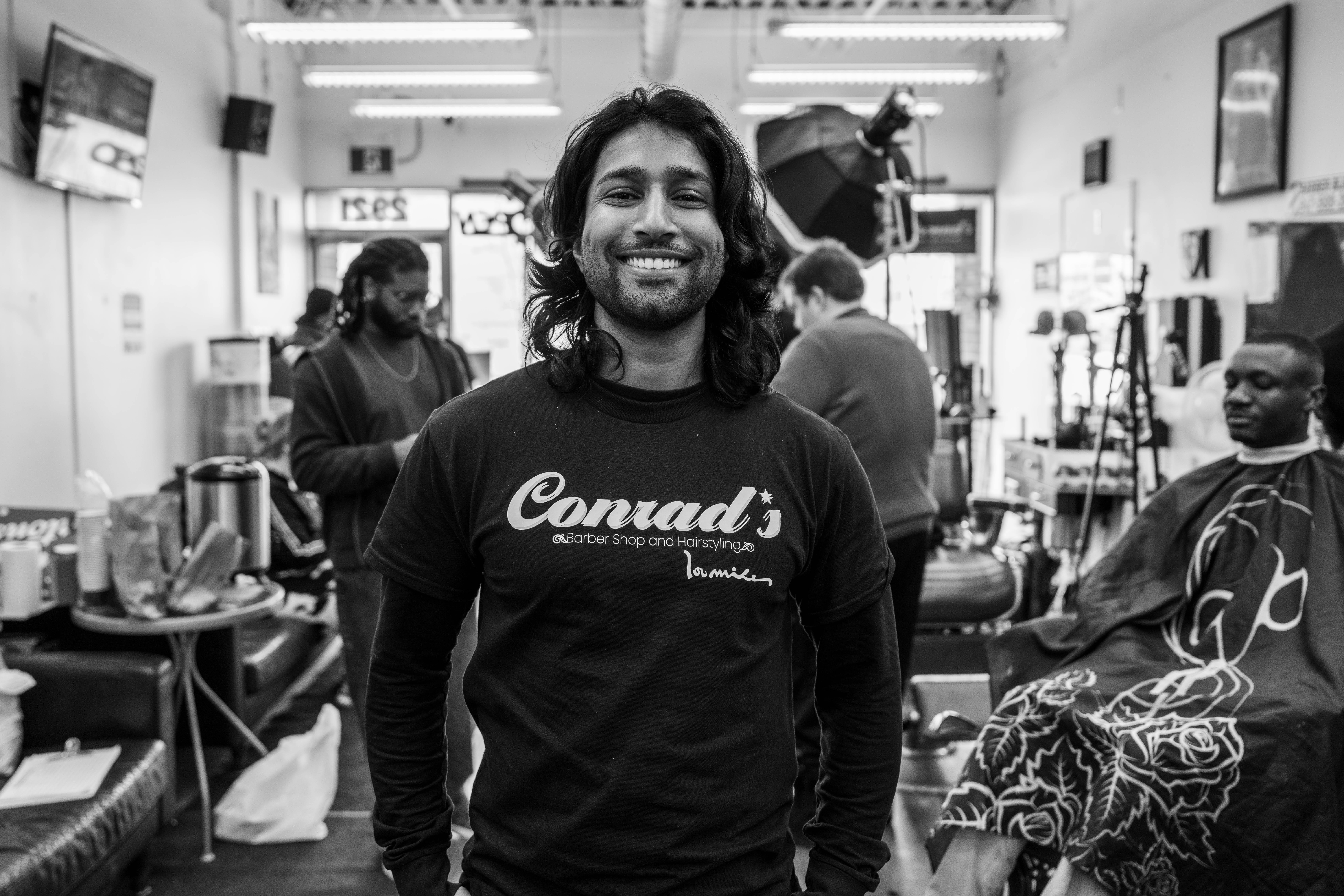
When chatting with Krissan, there was a blunt reality to the invisible poverty that communities like Scarborough experience. It was a contributing factor in why an event like this can serve as a microsolution to tackle a larger issue, such as addressing the youth unemployment gap.
Krissan reflects, “If you're from a well-connected or from a well-to-do neighbourhood or family, you're going to get professional photos taken throughout the course of your life, just by you existing in that family. Here, you might not even get a haircut. I didn't get a haircut from a professional barber until I was 23, and there's a lot of youth like that in this community.”
Putting on an event like this in communities that have historically been marginalized is about creating access to the basic tools of employability. For Krissan, the weight of youth unemployment for black and racialized youth shouldn’t be carried alone by local businesses hiring youth from equity-deserving backgrounds. For Krissan, it’s the government's responsibility to address this issue, and events like this become a call to action to advocate for just that.
“What we want to see is Government doing the work that these black owned businesses are doing, where they’re providing opportunities for youth in the community, something that they’ve been doing for decades.”
In my conversations with Krissan, we identified that, as a solution, this is only a drop in a larger bucket that requires more. He sees this event as a starting point for building more resources around meaningful employment for youth in Scarborough, either through resume-building workshops or by connecting youth with other employment organizations.
Through community partnerships, the SEA also provides access to business attire, helping youth get fitted for professional portraits, an important component of the event, which contributes to looking the part.


Framing Futures.
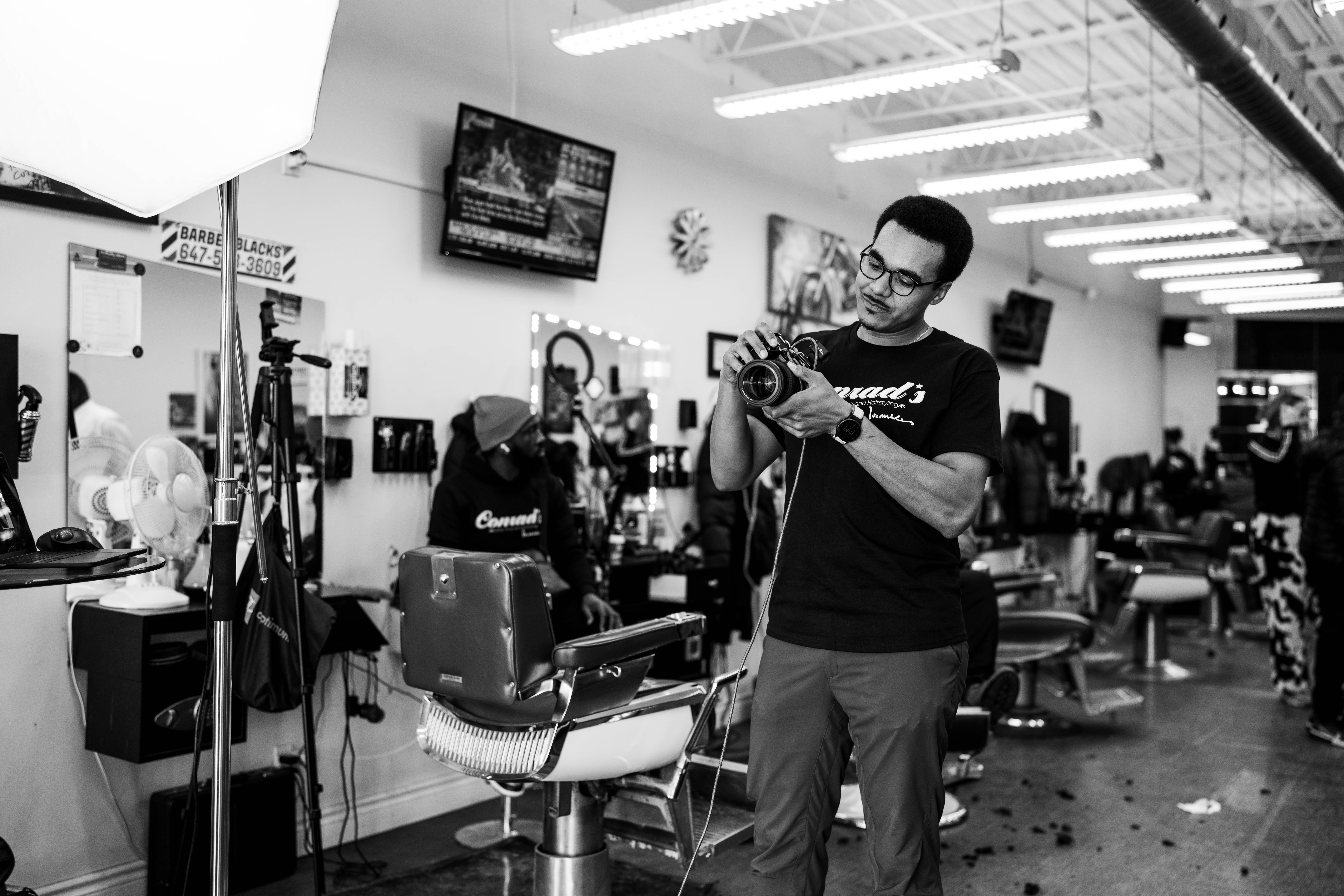
After the fresh cut and fits, participating youth had the opportunity to get a professional portrait taken by photographer & videographer Brandon Mwendo from Hydeout Creative Studios.
Brandon initially joined the Scarborough Environmental Association (SEA), thinking it might be about environmental cleanups, but he learned it covered much more, allowing him to bring his own skills to the table and give back to the community.
Being a fellow Scarborough native and working out of a creative studio in the west end, he brought the idea of contributing as a photographer to Krissan from SEA, adding a vital component to this collaborative event. He packed up his studio gear and set up shop at Conrad’s for the day, taking portraits of the participating youth and community in attendance.


In a job market where applications are often filtered out long before an interview is even granted to youth, visibility matters. A professional image on LinkedIn has become today’s resume and carries a different weight, signalling job readiness.
Bradon sees his role here as supporting youth in that journey.
“I definitely hope that as soon as they get these photos, they refresh their profiles and are motivated to get out there and seek employment.”
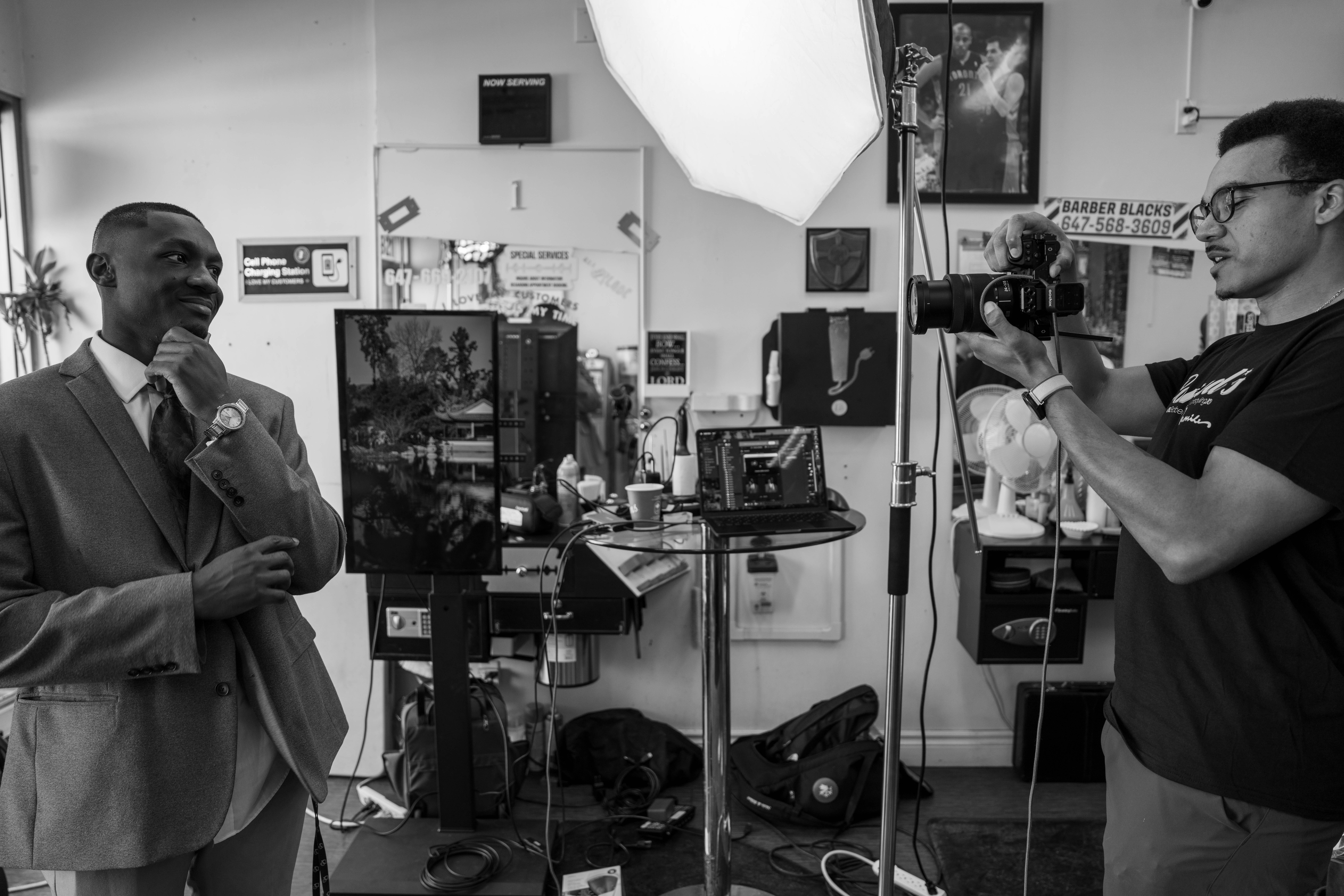


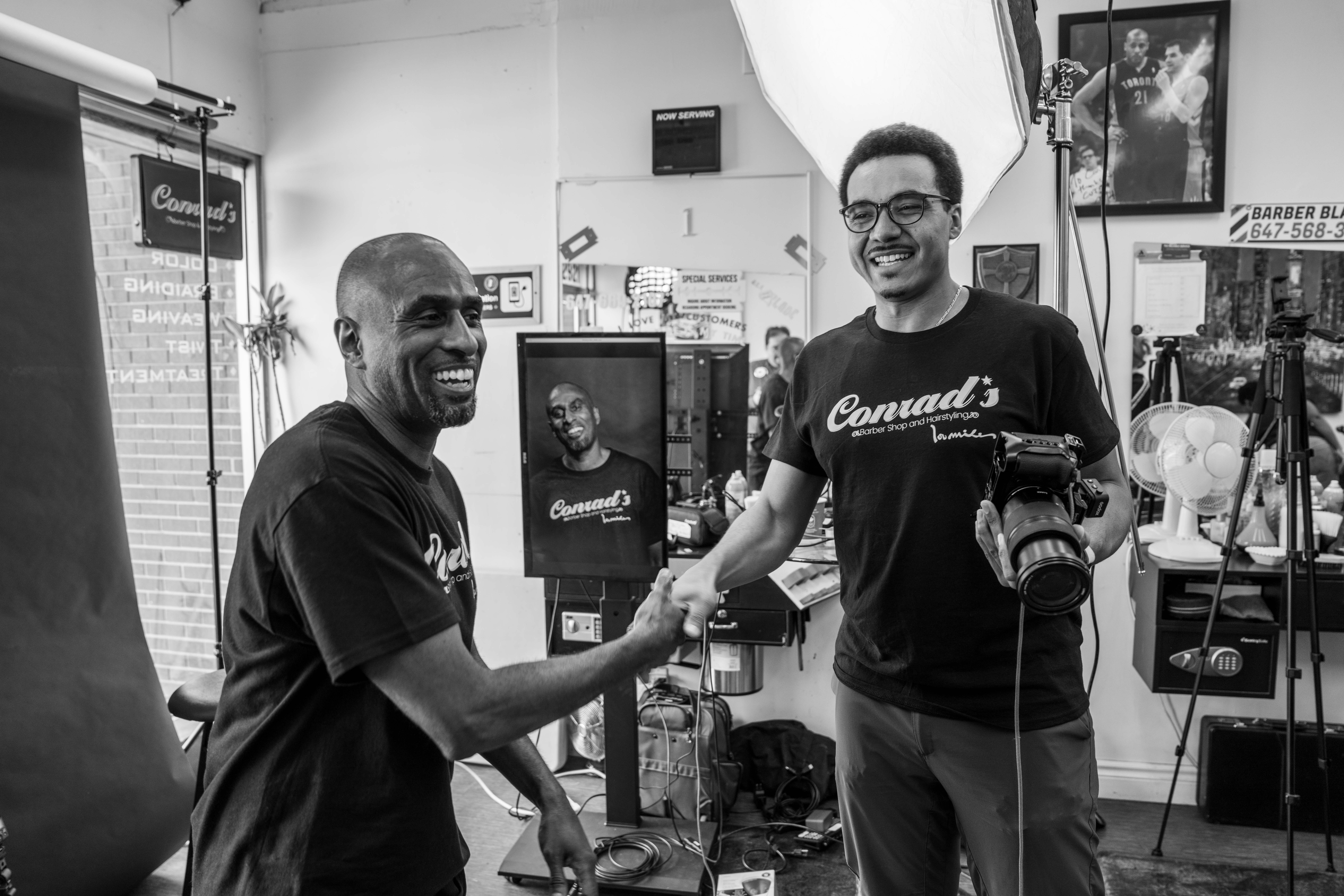
In my conversation with Brandon, something that stood out in his approach was about framing this event as a way to build connection and community.
Bradon reflects, “we live in such a big city with so many people, yet I feel we’re so disconnected compared to when you look at rural communities, everybody knows everybody.”
For Brandon, the idea of just helping people in the community and in our communities is something he wants to see reach more people
Brandon shares, “It wasn’t hard to do this, it depends on the resources you have, of course, but we all have our own talents and ways we can help others.”
What stood out most from my time documenting this solution’s story was how the community showed up to support the next generation and offer a helping hand in addressing a problem that is being severely overlooked due to Canada and Toronto’s economic challenges. Creating community events for youth pushes back against the isolation they face as they try to navigate the job market on their own.
As a photojournalist, I understand the power of how a frame can tell a story. Here in Scarborough, just the act of offering free professional portraits gives youths a tangible asset that makes them more job-ready for the future.

A Solutions Starting Point
In a job market where hundreds of applicants compete for entry-level jobs, confidence, presentation, and professional branding matter. A clean haircut and a professional headshot can boost self-confidence among youth in underserved neighbourhoods who are walking into an interview or even applying to a job for the first time.
Third spaces, like Conrad’s, also play an important role in connecting youth with professionals to explore employment pathways they may not have considered at first.
When it comes to solutions to address the youth employment gap, there’s an endless list of interventions to discuss. Governments need to play a role in addressing this gap, whether it’s creating paid youth work placements or expanding funding for mentorship and skills-training programs directly with local businesses in underserved communities, who have been creating informal pathways for youth employment for years.
A collaborative community event like this, hosted for Black History Month, won’t solve youth unemployment in Toronto or Scarborough on its own. They won’t replace the need for public investment and government action.
What it does accomplish is raising awareness and dialogue for more solutions that need to address the youth employment gap faced by black and racialized youth in the Scarboroughs of the world.
If you have a story tip, especially on community solutions, climate stories or cultural shifts worth paying attention to, you can reach me at sid@changemade.co
If you’d like to see more independent visual journalism stories through The Change Made, consider becoming a paid subscriber, as all work on this platform is self-funded. I post dispatches twice a week and sometimes more when a story like this deserves it.
Solutions On The Streets is a visual solutions journalism series by The Change Made with Sid Naidu that documents the efforts of people and organizations creating change in communities from the ground up.